
The Practical Guide for Outing by Decathlon Outdoor

By Editor Decathlon Outdoor

Published on March 31, 2026 - Edited on April 9, 2026

Because at Decathlon Outdoor, we want you to spend more time outside and in the best possible conditions, we’ve put together a Practical Guide for Outing for you. Before your outing, during it, and after: with this step-by-step guide you can slip into your pocket, you’ll be able to head out with peace of mind and just one mission — enjoy!

Petit guide du dehors de Decathlon Outdoor

Ah, the joy of a walk in nature — the call of the trails! In the recent years, more and more of us have been lacing up our hiking shoes or dusting off our bikes to head out into the great outdoors. But do you know the best practices to follow? Those small habits that help you explore safely and allow everyone to enjoy nature in the best possible conditions? In this Practical Guide to Hiking, we give you the keys to a successful outing with Decathlon Outdoor.

1. Before your outing

2. During your outing

3. After your outing

Petit guide du dehors de Decathlon Outdoor avant

Before your outing

Feel like getting some fresh air and hitting the trails? We can only encourage you! But when heading out, it’s best to play it safe. Whether it’s choosing your route or preparing your gear, give these steps the attention they deserve—they can help you avoid trouble. And above all, never forget to inform your loved ones by sharing your itinerary with them.
Choosing your route

Walking in single file with crowds? No thanks! Before heading out on the trails, the first thing to do is to find out about any potential issues at your destination. If it experiences a high number of visitors—or even overcrowding—it’s best to adjust your dates and times of visit. Whenever possible, avoid peak periods such as the high season and long weekends. Your experience will only be more enjoyable.

Each outing available on the Decathlon Outdoor app includes a difficulty level (easy, moderate, or difficult) to help guide your choice of route. Elevation gain, altitude profile, and route length are also provided. If you have any doubts about your physical abilities and/or your experience in less accessible environments (such as the mountains, for example), be cautious and opt for an easier walk. The most beautiful views don’t always require climbing to the top.

In addition, before setting off, pay close attention to the weather forecast. If there is a risk of bad weather or extreme heat, adjust your plans accordingly or postpone your outing. Once there, don’t hesitate to contact the local tourist office for the latest updates on weather conditions and trail status.

Going for a walk with your dog promises great moments—for both you and your furry companion. But it shouldn’t be improvised! Before setting off, choose a destination that allows dogs and find out about the trail’s practicality and terrain (type of ground, presence of obstacles, etc.). Not all routes are suitable for every dog, so be mindful of your dog’s physical abilities to avoid causing them discomfort.

It is strongly recommended to keep your dog on a leash throughout the walk. Because just like hikers, dogs should stay on marked trails. This prevents it from damaging vegetation and disturbing the wildlife in the area.Remember that a dog can quickly become a predator to other animals

Yes, and without turning your outing into an expedition! Let’s be realistic: not all destinations make this possible (or not yet). However, many trailheads are still accessible by public transport, by bike, or through carpooling. Some sites also provide shuttle services to limit the number of vehicles. A small gesture that helps preserve our natural spaces.

Getting properly equipped

It all depends on the environment you’ll be exploring and the time of year. But in general, good shoes are essential (depending on the terrain, hiking sticks can be helpful). We also recommend always bringing something to protect yourself from the cold and the sun (hat, sunscreen, etc.).

Did you know that at Decathlon, you can choose eco-designed gear, meaning products that integrate environmental considerations right from the design stage? Look for the ECODESIGN in stores and online! And finally, to avoid buying new products, why not turn to second-hand goods ?

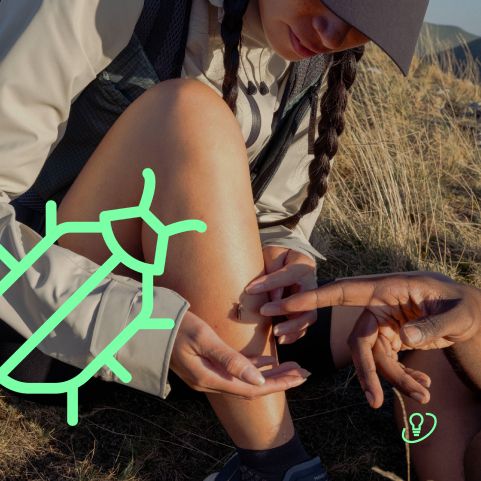
Often overlooked, a first-aid kit should actually be one of the first items in your backpack or panniers. Remember the essentials: disinfectant, bandages and sterile gauze, adhesive tape, tick remover, venom extractor, and tweezers for splinters.

Also, even for outings lasting just a few hours, always bring enough food and water.

To explore the trails safely during the hunting season, please contact your local tourist information office for all the details.

Petit guide du dehors de Decathlon Outdoor pendant

During your outing

Here we go! You’ve chosen your walk and finally arrived at the starting point, at the edge of the trails. The key during any outing is to always stay on the paths, both for your safety and to protect nature. You’ll also likely encounter other nature lovers: on foot or by bike, remember that the trails are meant to be shared!

Respect wildlife and plant life

We recommend not picking flowers, mostly because many species are protected. In public forests, picking fruits and mushrooms is allowed, but in a responsible way, about one basket per person per day, which is already plenty! On private property, you must have the owner’s permission. Make sure to check the rules for collecting and the properties of these items to avoid any risk of poisoning. The same goes for rocks and fossils: avoid picking them up or moving them (like building cairns), and always check the specific permissions for the site you’re visiting.

Animals are an integral part of the site you’re visiting, so respect their peace and quiet. Avoid making noise, do not feed them, and definitely don’t try to touch them, as this could harm their survival. In short, keep your distance while observing them—you’ll have a much better chance of seeing them in action without disturbing them!

During your outing, you may come across plots of land enclosed by fences. Always make sure to close these gates behind you, as they are meant to keep livestock safely contained within their enclosures.

Behaving responsibly

As refreshing as it may be, swimming isn’t always allowed everywhere. First, check local regulations and any posted signs before taking a dip: some rivers or lakes prohibit swimming for environmental or safety reasons.

Even if it’s not strictly forbidden, think twice before going in. A simple splash can have a significant impact on biodiversity. Sunscreen pollution, bank erosion, and disturbance to wildlife are all concerns—especially in sensitive environments like mountain lakes, where swimming is strongly discouraged. For a proper rinse, it’s best to wait until you’re home!

Ending a walk with the smell of marshmallows roasting on a stick—dreamy, right? Well… not really. Legally, fires are banned in many sensitive areas such as national parks, nature reserves, forests, or even beaches. They can also be temporarily prohibited in areas at high risk of wildfires, like forested regions. Remember, the majority of fires are caused by humans, often due to improperly extinguished cigarettes (so definitely avoid smoking on the trails).

More generally, we advise against lighting fires in areas not designated for them: besides the risk of accidents, a campfire can permanently damage the ground. If you do want to cook or warm something up (marshmallows included, we see you snack lovers!), consider using a portable stove—it’s safer and more efficient.

Because no one is coming to clean up after you, take all your trash with you. To prevent your backpack from turning into a trash bin, bring a small bag to carry your waste properly. This includes fruit scraps and peels. Even though they’re natural, they take a long time to decompose (up to five months for an apple core, for example) and can be harmful or even toxic to local wildlife.

And what about when nature calls? If there are no toilets nearby, as a last resort you can go in the open, digging a hole away from the trails. But do not bury toilet paper—it must also be carried out in the small bag mentioned above. A little effort ensures everyone can enjoy the smells of nature—and only nature!

Unlike camping, bivouacking is a temporary shelter. The idea is not to stay for several days: pitch your tent at dusk and take it down at dawn.

More flexible than camping, bivouacking isn’t allowed just anywhere. Some areas are off-limits for environmental protection and safety reasons. It is specifically prohibited in nature reserves, within 500 meters of a listed historic monument, on roads and public paths, or along the seashore.

Rules can also change, especially during busy periods in national and regional parks. So before setting up your tent, make sure it’s allowed and check with local town halls or tourist offices.

Once there, keep a low profile to respect the peace of wildlife and other bivouackers.

Useful emergency numbers

Even with good preparation and careful attention to safety advice, accidents can still happen during your outing. In case of emergency, you can contact rescue services by dialing 112 or 999.

Petit guide du dehors de Decathlon Outdoor réparation

After your outing

Whether on foot or by bike, even after your outing there are still a few tips and best practices to keep in mind. Have you thought about maintaining your gear regularly? Did you know it’s possible to give new life to equipment you no longer need? Discover the services offered by Decathlon!

Gear maintenance

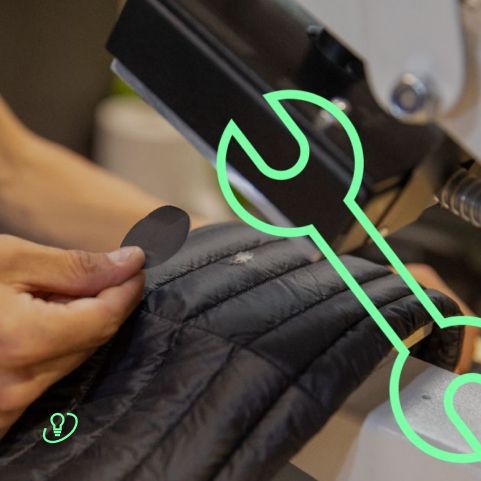
Your outing may be over, but your equipment’s life isn’t. To extend it, there’s nothing better than adopting good maintenance practices. Repairs, tutorials, after-sales service, tips… Decathlon supports you in every step of the way!

Equipment return

Is your gear no longer suitable for you? Sell your clean, well-maintained sports equipment through Decathlon’s trade-in service. This applies to both hiking and cycling gear. Backpacks, snowshoes, walking poles, city bikes, mountain bikes, or hybrid bikes… don’t let them gather dust in a closet or at the back of the garage—give them a second life!

Your next outing, close to home!