Loading...

Cirque de Lescun: Bearnese hiking in the Aspe Valley

244 people have hiked here this year

Published on October 19, 2026 - Edited on October 19, 2026

By Charlène F. (Editor)
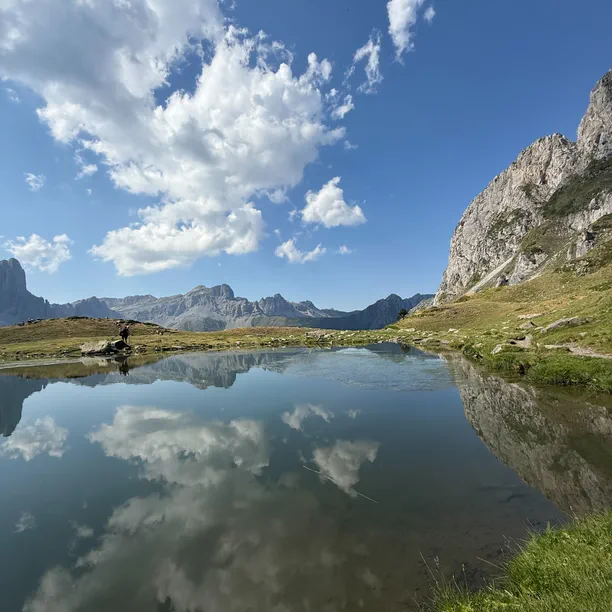
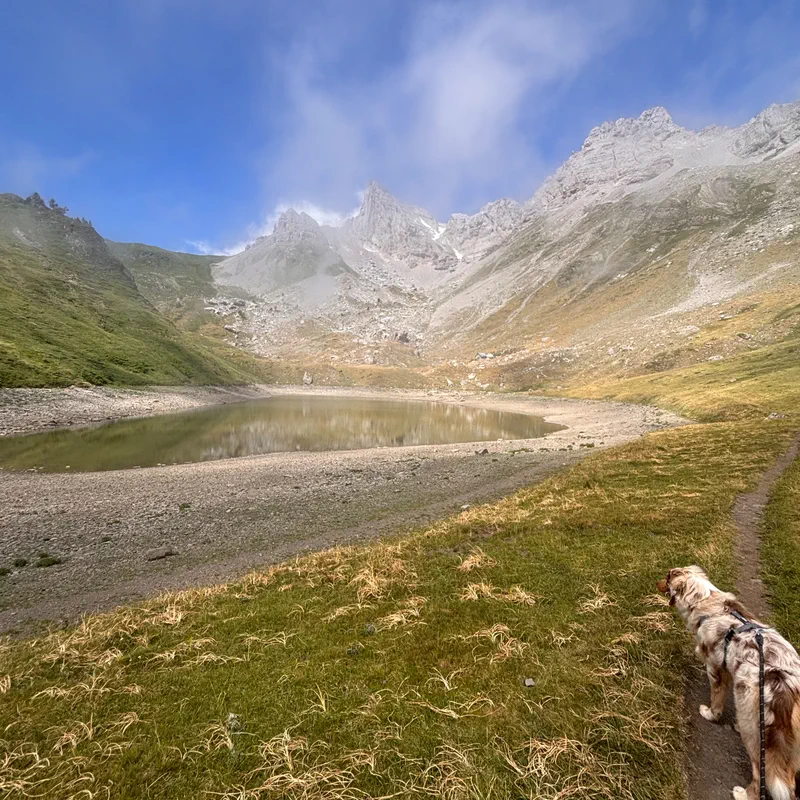
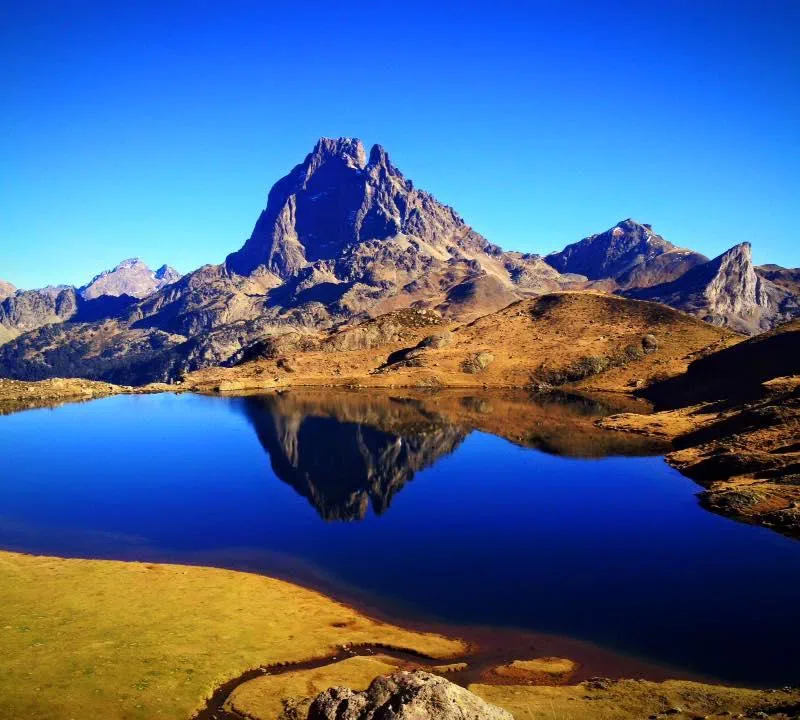
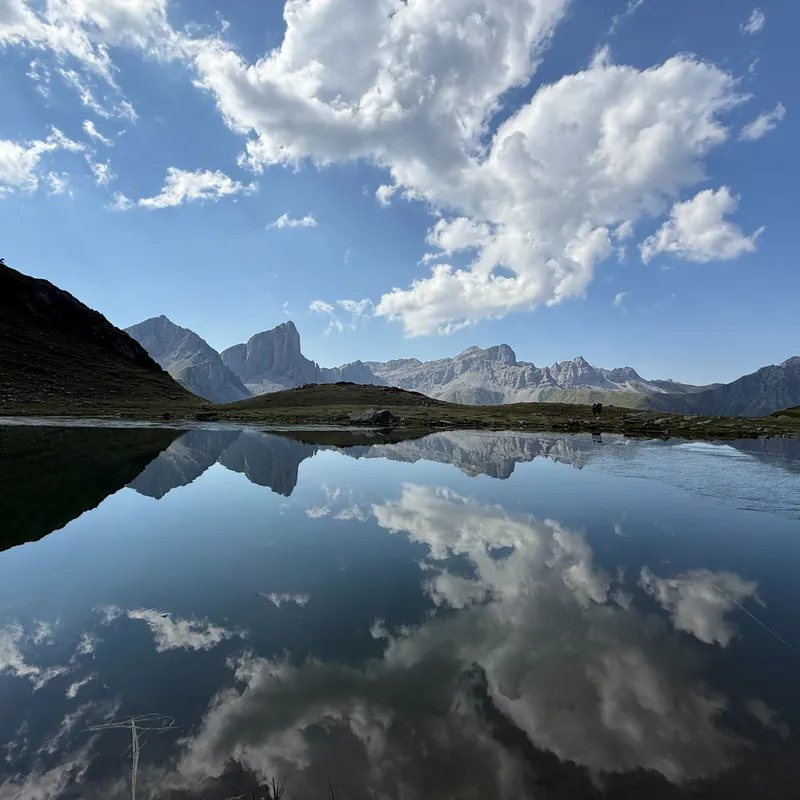
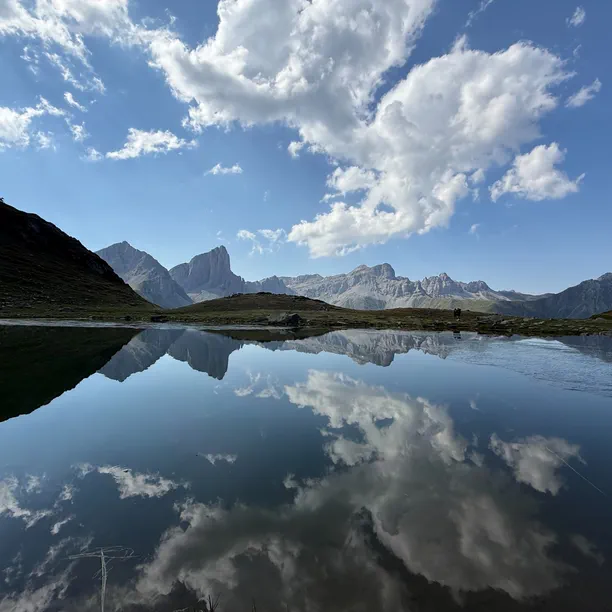
Perfect reflection of a majestic mountain in a deep blue alpine lake under a deep blue sky. Laruns - Pyrénées-Atlantiques. FranceMountain lake perfectly reflecting a blue sky with white clouds and majestic mountains in the background. Lescun - Pyrénées-Atlantiques. FranceA serene mountain lake reflecting a clear blue sky with fluffy white clouds and imposing mountains in the background. Lescun - Pyrénées-Atlantiques. France

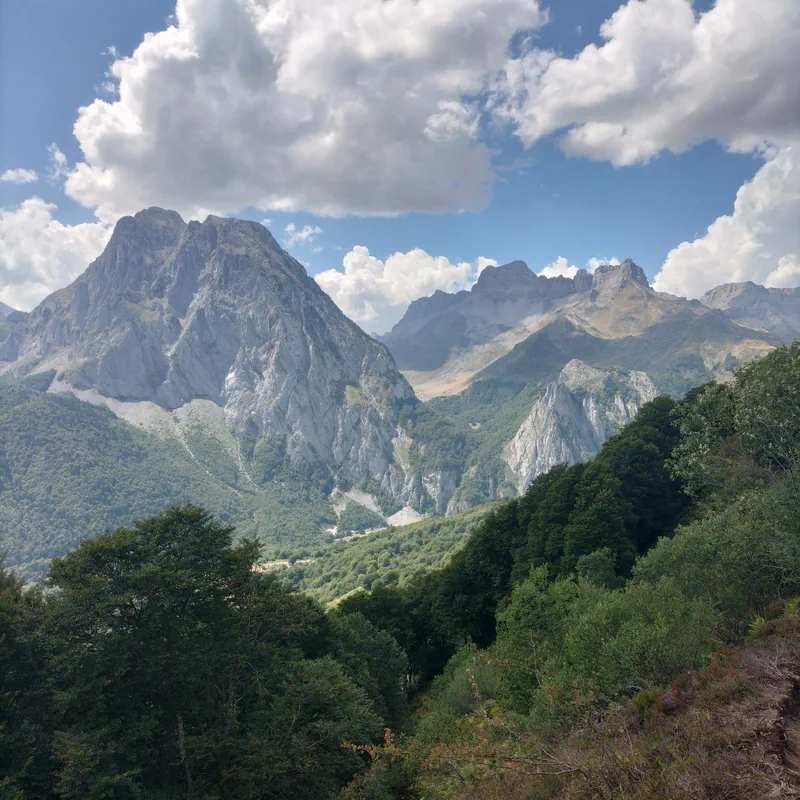
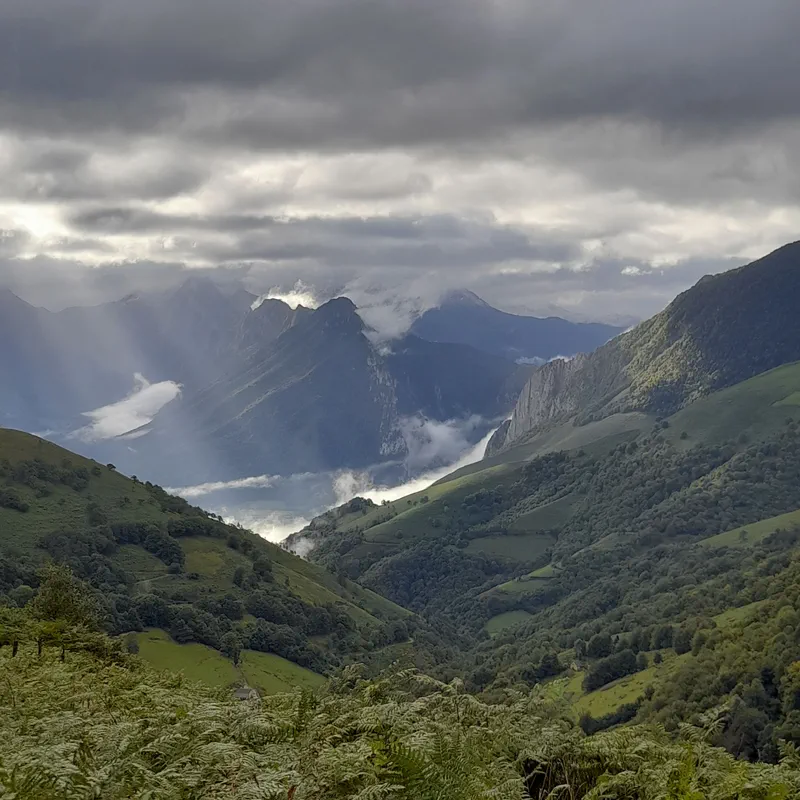
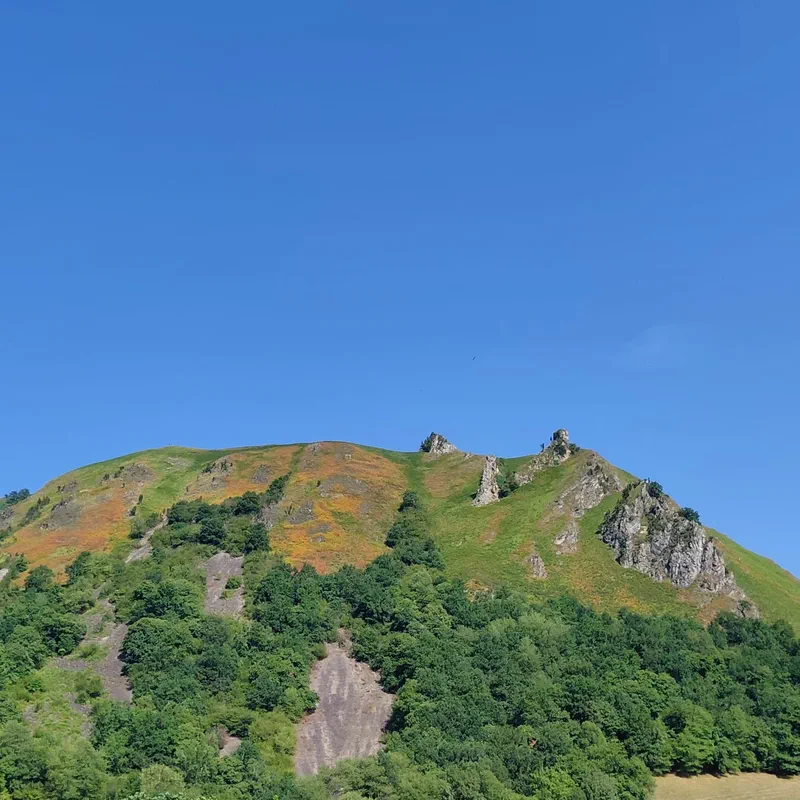
A wild plateau carved into the rocks of the Pyrénées-Atlantiques (in Nouvelle-Aquitaine) at the gateway to the Pyrenees National Park, the Cirque de Lescun (and its famous dolomitic peaks) is an essential destination for hikers, whether experienced or less so. Majestic summits dominate the Aspe Valley (one of the three Bearnese valleys), which is by turns lush and rocky, with small streams meandering through it that are refreshing in the summer.

Where is the Cirque de Lescun located?

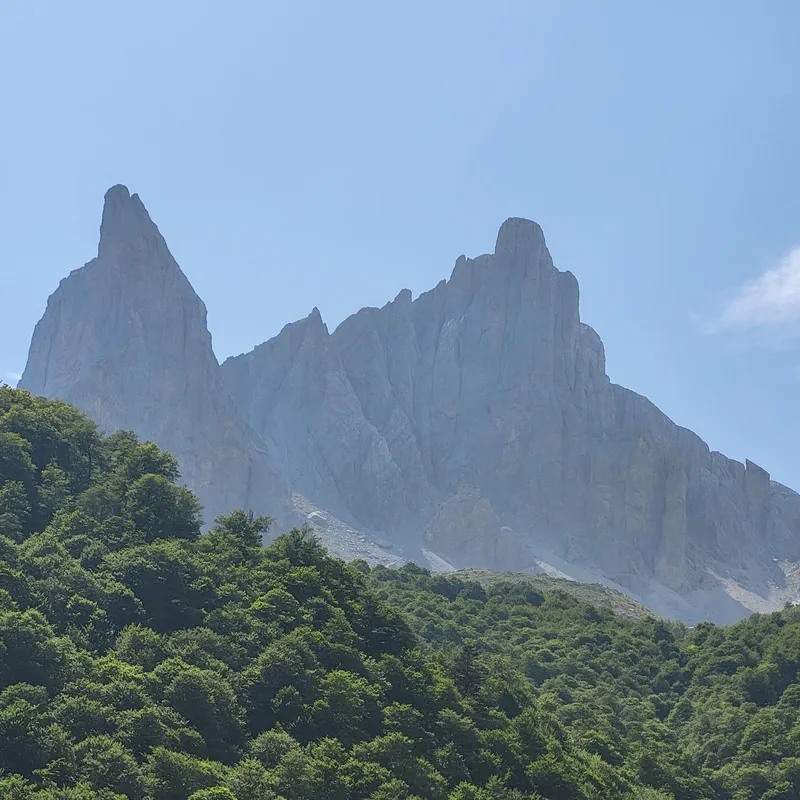
In the heart of the Pyrenees mountain range, just a few hundred meters from the Spanish border, a rocky enclosure attracts hikers in search of one of the most spectacular views in the Aspe Valley: the Cirque de Lescun. Sometimes aptly nicknamed the “Dolomites of the Pyrenees,” one cannot help but marvel at its limestone needles and peaks, which are hotspots for climbing and paragliding in the Pyrénées-Atlantiques, overlooking streams and lakes in a mineral and rocky landscape.

The Cirque de Lescun is located in the commune of the same name, the highest in the department. A charming little village (900 m) built of stone and slate, nestled on the slopes of the Bearnese Pyrenees, it is a must-visit for hiking enthusiasts who pass through it via the GR® 10 or the Via Tolosane. Lescun is also a starting point for many accessible routes to discover the splendid landscapes of the Aspe Valley and Béarn.

So, are you ready to hit the region's hiking trails?

Streams and waterfall at the Cirque de Lescun

On the slopes of the Cirque de Lescun, the trails wind through lands that are by turns wooded, pastoral, and increasingly bare as you climb toward the summits. Small streams meander through these vast expanses. In the Basque language, they are called “lats” (a word which, when combined with “kun,” a place indicator, is the origin of the name of the cirque and the village of Lescun). Here and there, these watercourses feed a few lakes with pleasant banks after a hike in the summer heat. Lake Lhurs is a perfect example. Hikers experienced enough to tackle the 968 m elevation gain come to soak up the beauty of the panorama, but also to fish for the trout that live here (fishing is only allowed on Saturdays and Sundays).

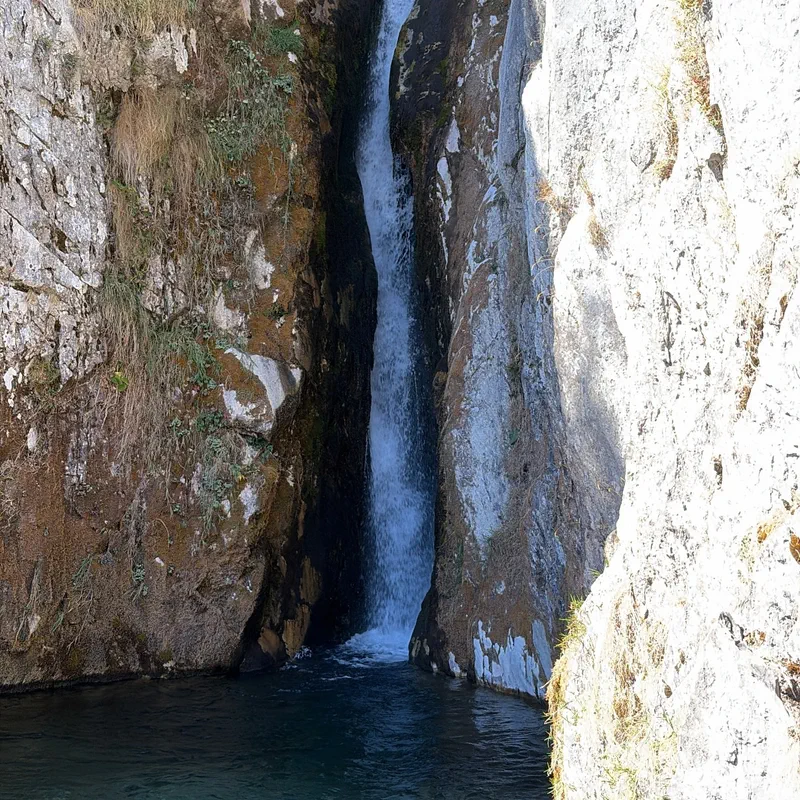
Speaking of water features, if you were looking for a waterfall in the Cirque de Lescun, there is indeed one: the Anaye waterfall. This narrow but nearly ten-meter-high cascade tumbles down onto the Sanchèse plateau. A great favorite in the family hiking in the Pyrenees category, the walk to this area surrounded by cliffs and forests presents no difficulty. Count on barely five kilometers (from the Napia parking lot), to be covered on foot or by mountain bike, in the company of horses grazing freely along the path during the summer period.

Hike to Lake Ansabère and its huts

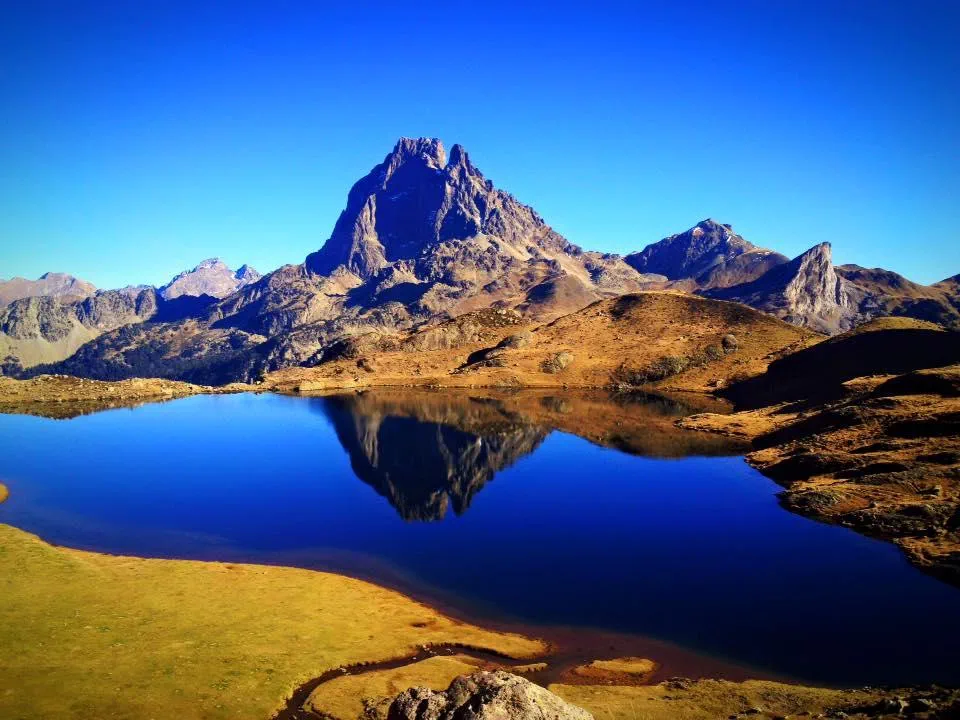
Perched on the heights of the Cirque de Lescun, Lake Ansabère (1,859 m) may surprise the visitor with its small size (only 0.8 ha). Indeed, the fame of this body of water lies elsewhere. Because the westernmost lake of the Pyrenean chain sits alongside the feet of dizzying summits, thus offering a deceptive reflection on its surface, which will delight walkers keen on photography.

Good news: the hike to Lake Ansabère is an accessible and not very difficult route! The departure is most often from the Masousa bridge (972 m) or the neighboring Lamareich bridge, both of which have parking. Count on three hours of walking and 887 m of elevation gain to reach the banks of Lake Ansabère. An alternative is to take a stony (and slightly bumpy) road to the Lamary bridge (1,180 m). A small parking lot allows you to save 200 m of elevation gain.

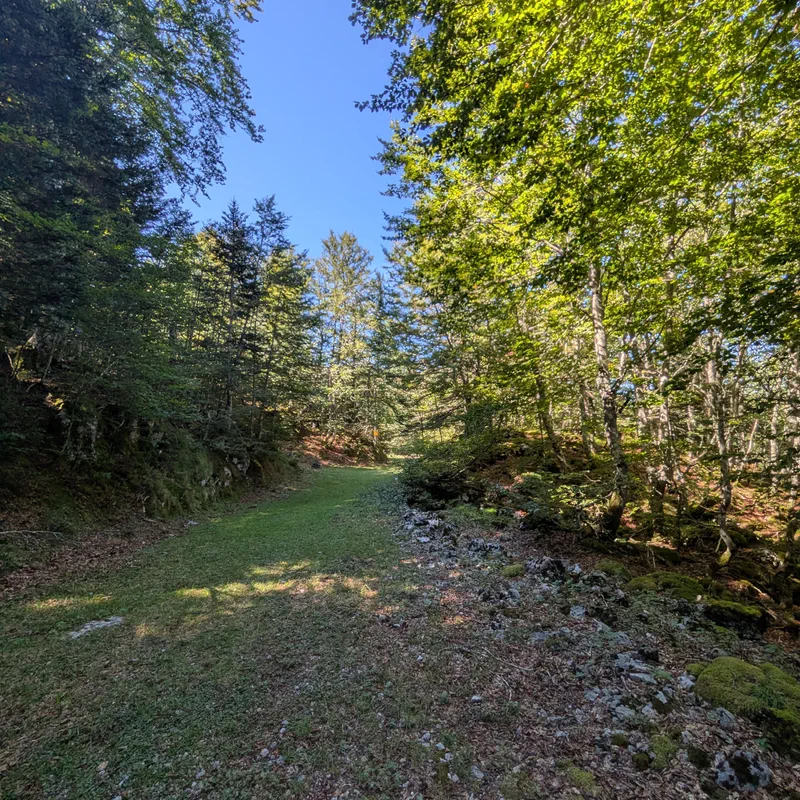
Once your hiking boots are on and your backpacks are securely fastened, a wide track awaits you, guiding you gently through a bucolic landscape, a succession of pastures, undergrowth, and grassy slopes, up to the two Ansabère huts (1,567 m), which give the place a little air of the Swiss Alps. Remarkable mountain heritage, the "Cabane des amoureux" (Lovers' Hut) and the "Villa des privés d’amour" (Villa of the Love-Deprived) offer a pleasant stop as well as a great opportunity to chat with a local shepherd (and stock up on sheep's cheese in the summer, at the same time). The rest of the hike to Lake Ansabère is done by following a narrower and more exposed path, through the rocky passes and valleys of the Cirque de Lescun. You finally settle on the shores of the lake, absorb this grandiose panorama of the cirque, the Ansabère needles, and the Table of the Three Kings (without forgetting to walk around the lake, in search of the most beautiful reflection), then the return is by the same path.

And for winter walkers, let yourself be tempted by a snowshoe hike in the Pyrenees, to the Ansabère huts! Note, however, that the Lamary bridge parking lot is inaccessible in winter. You will therefore have to leave your vehicle lower down, at the Masousa bridge. If the trail to the lake is not recommended (always be vigilant about the risk of avalanche and weather conditions), the first portion of the route, leading to the huts, is a little enchantment when the snow covers the mountains, revealing a fairytale landscape in which the silhouettes of the snow-capped Pyrenean summits stand out.
Storming the great summits around the Cirque de Lescun

Let us not forget the more experienced hikers, who will undoubtedly find their happiness by climbing toward the legendary peaks of this wild region. While some are reserved for mountaineers (like the small and large Ansabère needles), others can certainly be discovered by taking hiking trails. This is particularly the case for the Ansabère Peak (2,371 m) or the Pétragème Peak (2,255 m), which will delight “apprentice climbers” who are not afraid to use their hands to climb the last few meters leading to a stunning view of the Cirque de Lescun.

Easier to access, the Pétragème Pass (2,090 m) nevertheless offers a sublime panorama of the Aspe Valley and the Pic du Midi d'Ossau (2,884 m). The start of the hike leads to the Ansabère huts, then the path branches off toward a steeper ascent, at the foot of the fabulous Ansabère needles. 1,100 m of elevation gain, but the view is worth the effort!

Some information to know for hiking in the Cirque de Lescun

This hiking route, starting from the Lamary bridge or the Masousa bridge, presents no particular difficulty, except perhaps for the distance and the sun in summer (it is possible to refill your water supply at the Ansabère huts), as well as a few slippery sections in wet weather. Therefore, remember to equip yourself with good hiking boots and a backpack in which to include items to stay hydrated and protected from the sun. Sunscreen, a cap, and a water bottle are essential, especially during the summer season.

Yes, but keep it on a leash!

Indeed, in the Bearnese Pyrenees, herds are guarded by Great Pyrenees dogs, large white-haired mountain dogs that protect the animals from predators (notably bears). To avoid the risk of disrupting life in the pastures, keep your dog close to you, on a leash. Along the hiking trails, explanatory signs are present to remind you of this essential rule.

In addition to herds of cows, sheep, and horses, many animal species can be observed in the surrounding area. Listen carefully so you don't miss the calls of the marmots, which hide if a visitor gets a little too close. Also, remember to look for chamois clinging to the rocky walls of the Cirque de Lescun, beneath the aerial ballet of bearded vultures and griffon vultures. In short, don't forget your camera!

More outdoor activity inspiration: Pyrénées-Atlantiques and surrounding area