Loading...

Hiking to the Pic d'Anie: a lapiaz desert in the Béarn region

178 people have hiked here this year

Published on October 19, 2026 - Edited on October 19, 2026

By Charlène F. (Editor)
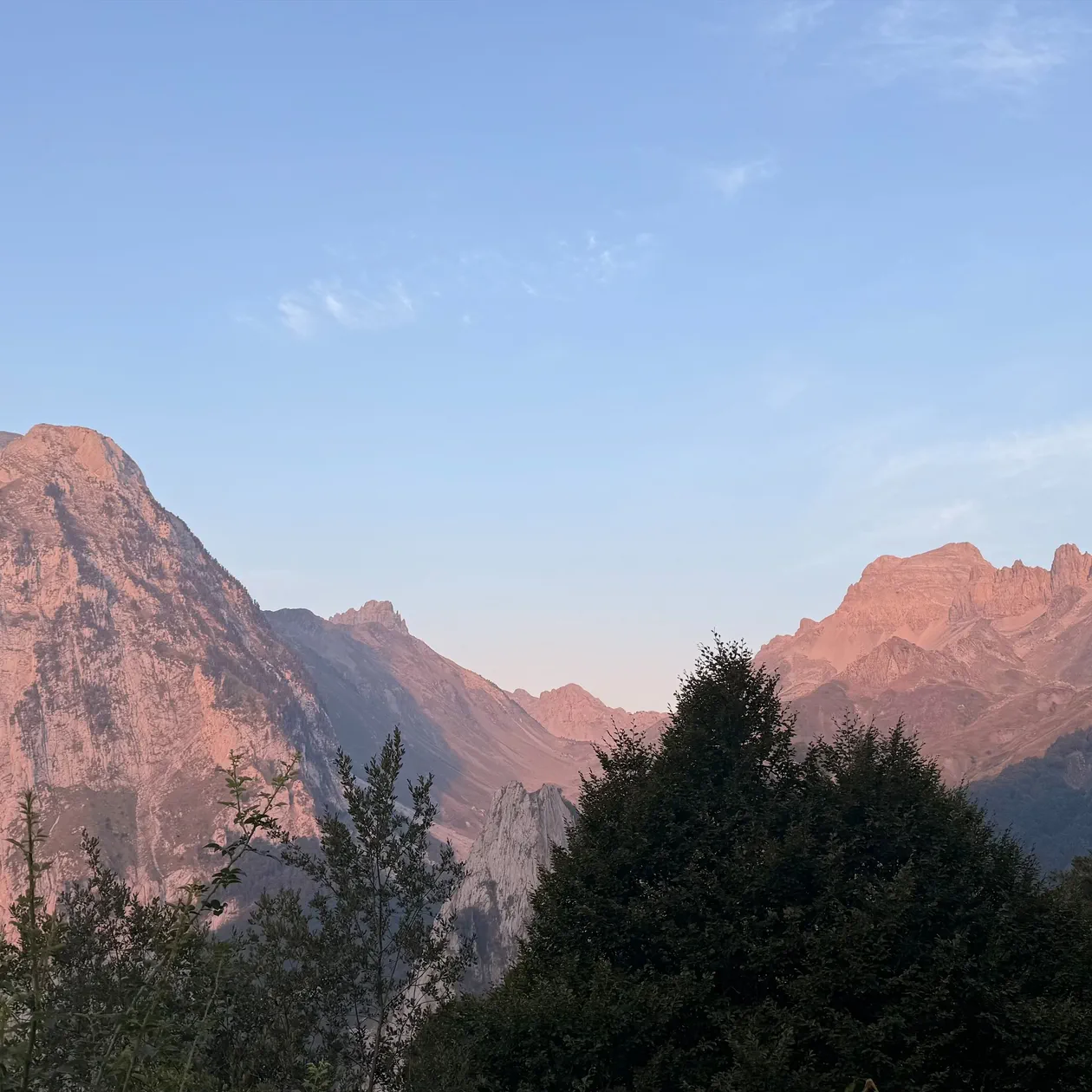
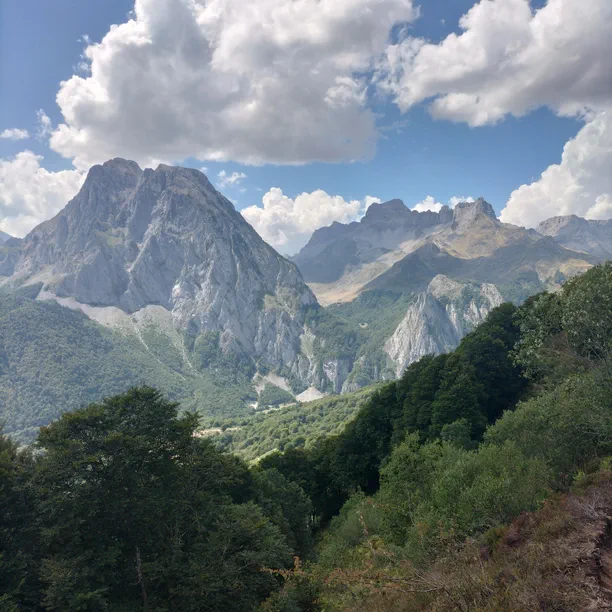
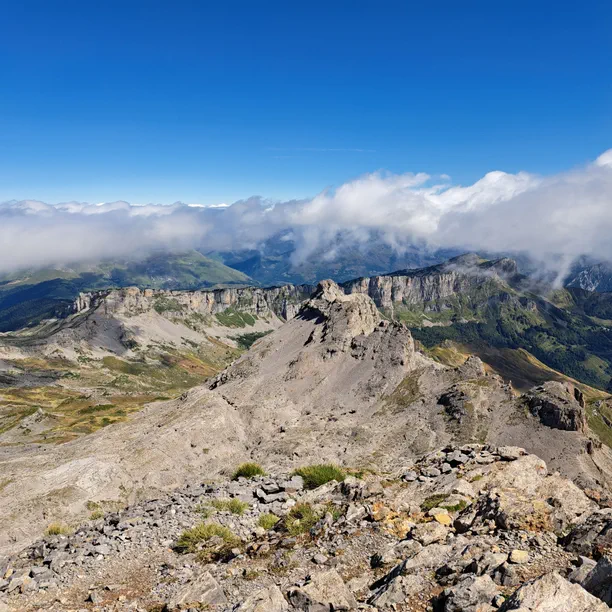
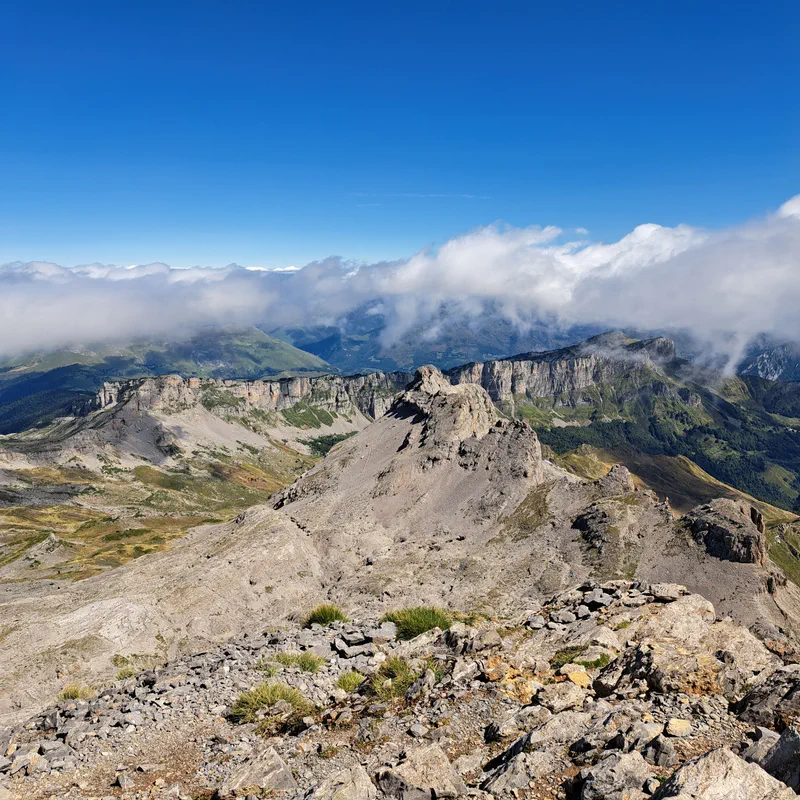
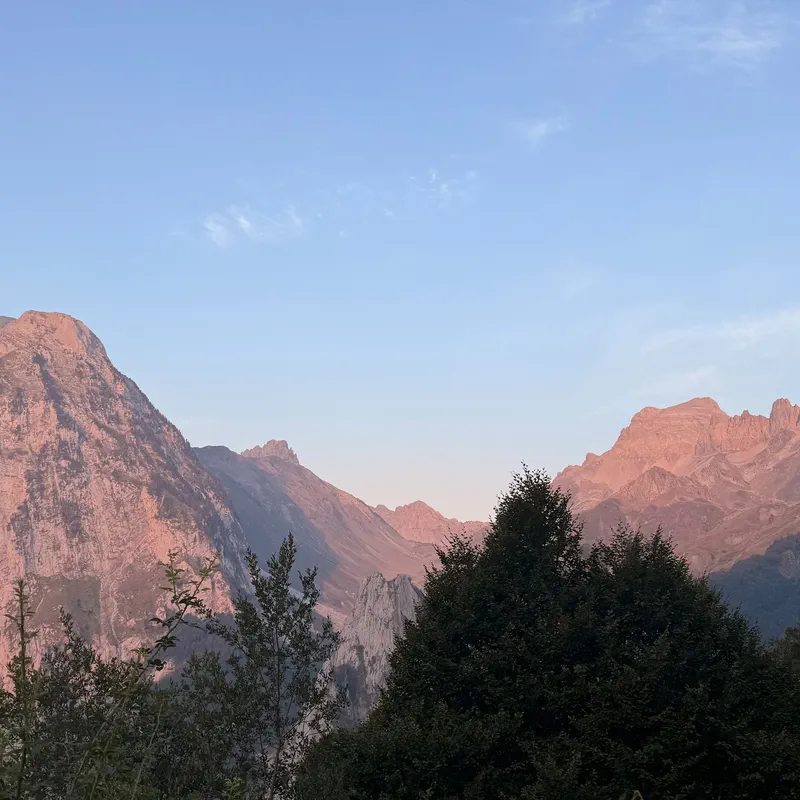
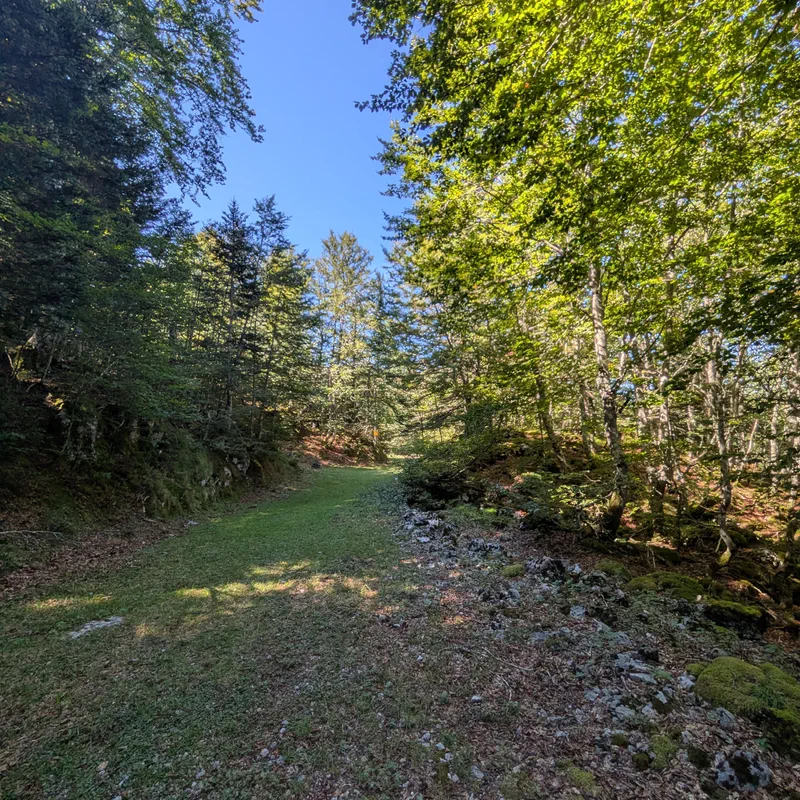
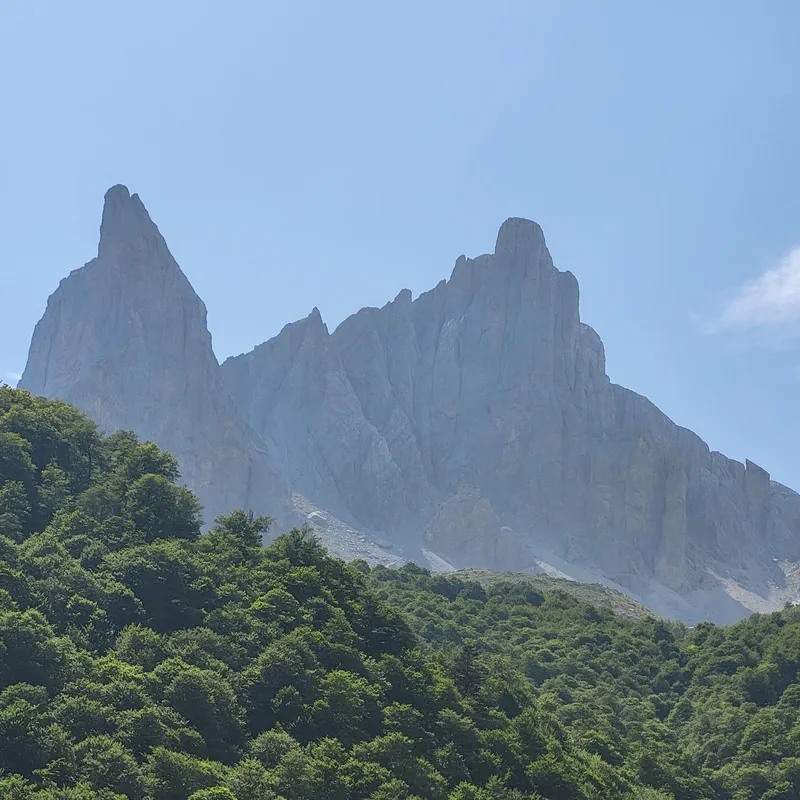
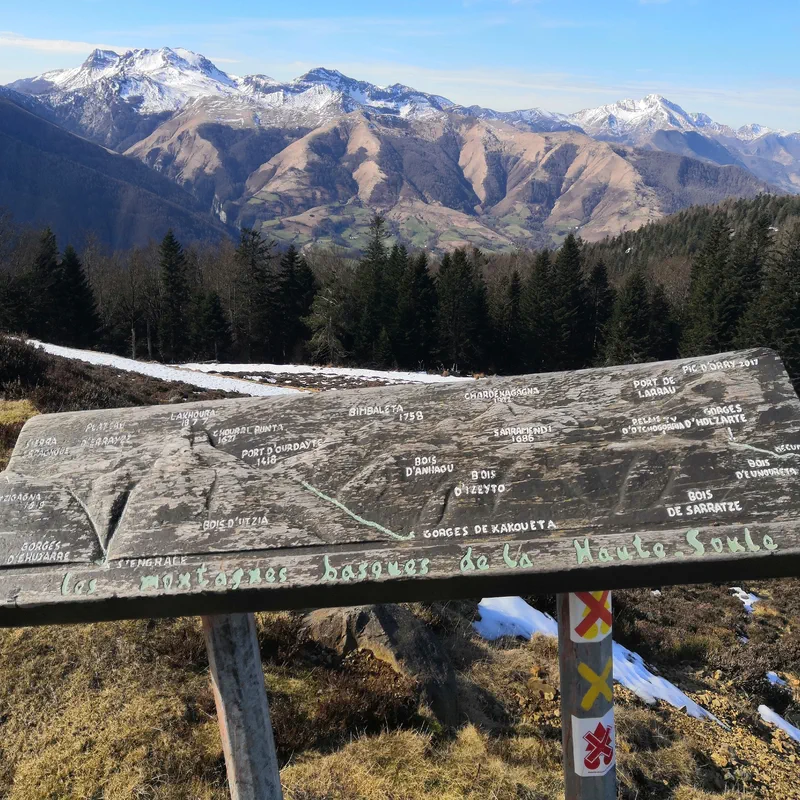
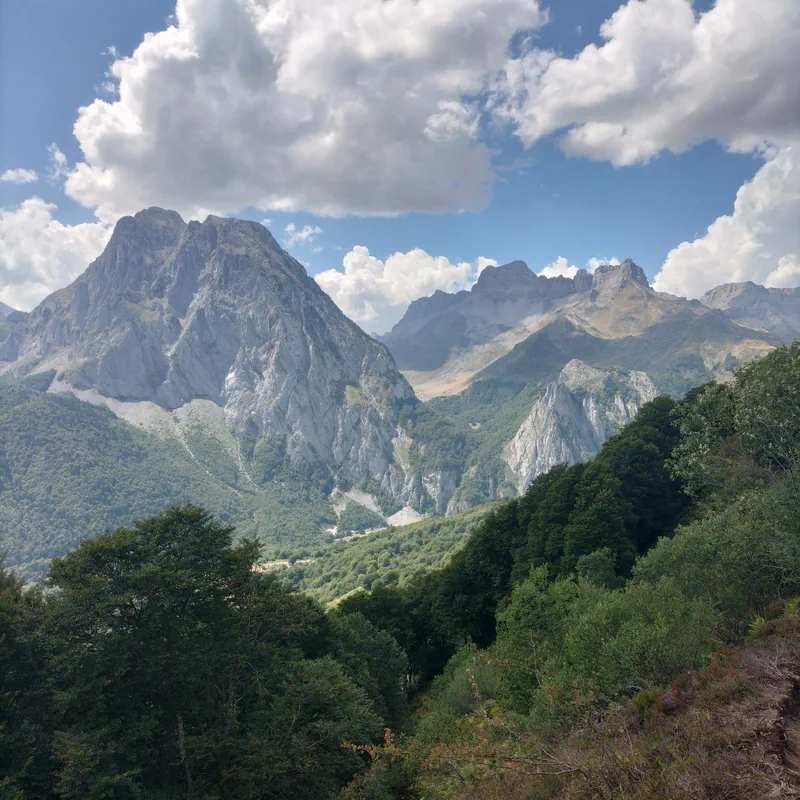
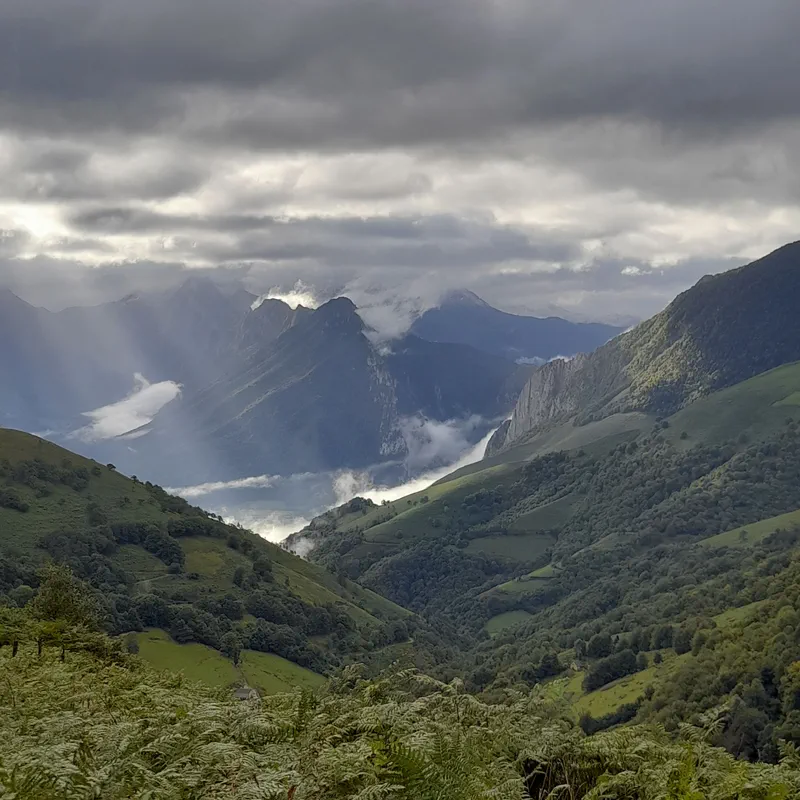
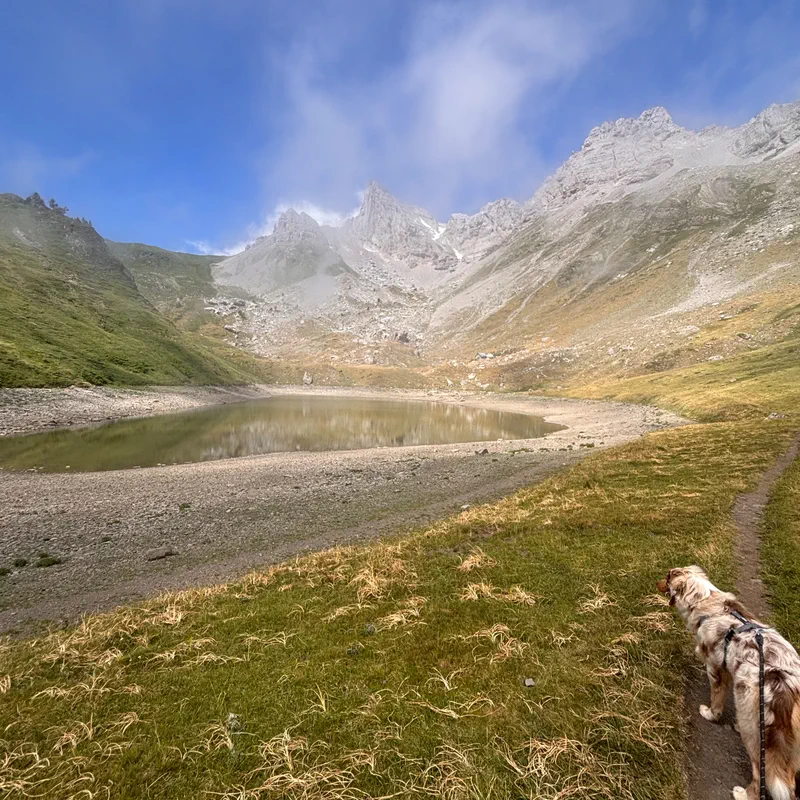
Panoramic view of majestic mountains bathed in the golden light of the sunset, with silhouetted trees in the foreground. Lescun - Pyrénées-Atlantiques. FrancePanoramic view of a verdant mountain valley under a blue sky dotted with cottony white clouds, with an imposing rocky peak dominating the landscape. Lescun - Pyrénées-Atlantiques. FrancePanoramic view from the summit of a rocky mountain, with low clouds below and a clear blue sky above. The mountainous landscape stretches as far as the eye can see. Arette - Pyrénées-Atlantiques. France

Hikers climbing, calves burning, but what scenery! The Pic d'Anie promises an epic hike, dotted with magnificent panoramas of the Béarn Pyrenees mountains. It is also an opportunity to walk on the Arres d'Anie lapiaz, the largest karst desert in Europe.

Where is the Pic d'Anie located?

With its pyramidal peak, it is impossible to miss! Standing at 2,504 m, the Pic d'Anie proudly dominates the town of Lées-Athas and the Aspe Valley, in the heart of the Pyrénées-Atlantiques, in Nouvelle-Aquitaine. Beside it, the Aiguilles d'Ansabère (2,377 m) and the Table des Trois Rois (2,421 m) complete a trio that created an iconic geological formation: the Cirque de Lescun. A beloved spot for mountain lovers who come to marvel at the dizzying peaks of the Béarn, the Cirque de Lescun is a must-visit destination for hiking enthusiasts, whose efforts will be rewarded with exceptional panoramas of the surrounding valleys and summits.

Although located in Béarn territory, the Pic d'Anie gets its name from the Basque language: “Auñamendi,” or the “mountain of the goats.” It populates Pyrenean legends, made mythical by sudden and violent storms, as well as unpredictable fog that has trapped more than one visitor daring to venture toward its summit. This provides plenty of material for the region's mountain tales (and reminds hikers of the importance of checking the weather forecast at the Pic d'Anie).

Hiking trails at the Pic d'Anie

To reach the summit of the Pic d'Anie from France, two options are available to hikers (who should be experienced and in good physical condition, let's be honest). One promises an unforgettable moment in the famous Arres d'Anie lapiaz, and the second offers sumptuous views of the Béarn mountains. Regardless of your choice, we can guarantee that this is not the time to forget your camera!

The summit of the Pic d'Anie from Lescun, for a crossing of the lapiaz

The first route, starting from the Abérouat refuge, allows you to reach the Pic d'Anie from Lescun for a hike with pleasantly varied landscapes, following a portion of the GR® 10, the Great Pyrenees Crossing. You wind through the shelter of the Braca d'Azuns woods, a forest whose ground already hints at the mineral environment awaiting you at higher altitudes, then you emerge at the Cap de la Baitch cabin. Doubly useful, this stop allows you to stock up on water on the way out (before facing the karst desert) and on delicious cheese on the way back (every effort deserves a reward).

And then, suddenly, the scenery changes. The landscape takes on the appearance of lunar territory. These are the Arres d'Anie. Here, caution is required, as the trail disappears and navigation is now done using cairns placed here and there, under the watchful eye of griffon vultures and bearded vultures circling in the sky. You reach the western slope of the Pic d'Anie, and then you climb, sometimes using your hands. Significant physical effort is required, therefore, but up there, what a view! The Aspe Valley unfolds beneath our feet and, in the distance, other great peaks point toward the sky, such as the Pic de Soum Couy (2,315 m), the Pic de Countendé (2,338 m), or even the Pic du Midi d'Ossau (2,884 m).

The Pic d'Anie from the La Pierre Saint-Martin pass, a Franco-Spanish hike

The second hiking route allows you to reach the Pic d'Anie from the La Pierre Saint-Martin pass, a ski resort in the town of Arette (from where candidates for the Pic d'Anie Trophy, a famous race in the world of ski mountaineering, set off every winter). If you try to compare it with the departure from the Abérouat refuge, be aware that there is less foot traffic from La Pierre Saint-Martin, as well as less elevation gain (you save 200 meters). However, beware of the sun in this world of limestone rocks, devoid of trees and shade. But, here again, the spectacle rewards the hiker, who will long remember these views of the Pyrenean mountains.

Pescamou Pass (1,918 m) then Murlong summit (2,053 m); this time, the trail runs along Spain and plays with the border, multiplying incursions into the Foral Community of Navarre, a historical neighbor of the Béarn and the Basque Country. And when the summit of the Pic d'Anie finally appears, you join the many hikers coming from Abérouat to tackle the few technical sections of the final ascent. You absorb the panorama of the French and Spanish Pyrenees mountain range, savor this 360-degree view, and then it is time to head back down. The return promises another unusual landscape by making a loop through the Arres d'Anie lapiaz, a small geological marvel that makes the region famous.

The Pic d'Anie lapiaz, the largest karst desert in Europe

A natural border between France and Spain, the La Pierre Saint-Martin massif is a huge block of limestone rock, the source of exceptional geological formations. To the east of the Pic d'Anie lies a gigantic mineral desert (the largest in Europe), sheared with faults and crevices: the Arres d'Anie lapiaz. Desert-like, yes, but valiant little flowers still manage to bloom in this hostile environment, discreetly coloring the base of the rocks. So keep your eyes wide open, looking for two endemic species to discover along the trail leading to the Pic d'Anie: the Pyrenean Horminella and the Pyrenean Columbine.

However, around here, there is not a single trace of water on the surface. Rain and melting snow disappear, drop by drop, into the crevices of the lapiaz to form one of the largest underground networks in the world. A paradise for hikers, the La Pierre Saint-Martin massif is just as much for speleologists and cave enthusiasts (we recommend visiting the immense Verna Chamber, the centerpiece of the La Pierre Saint-Martin chasm).

Walking on the Arres d'Anie lapiaz is a striking and, above all, extremely silent experience, marked by the absence of trees (except for a few courageous hook pines) and surface water. Yet, it does trickle down toward the bowels of the Earth. By (cautiously!) listening above a crack in the rock, you can sometimes hear the echo of drops crashing several hundred meters below. A striking experience guaranteed!

More outdoor activity inspiration: Pyrénées-Atlantiques and surrounding area